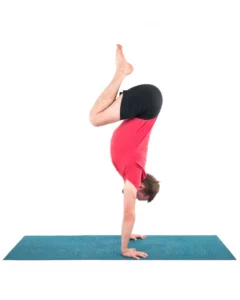
3 Questions to Guide Your Daily Yoga Practice
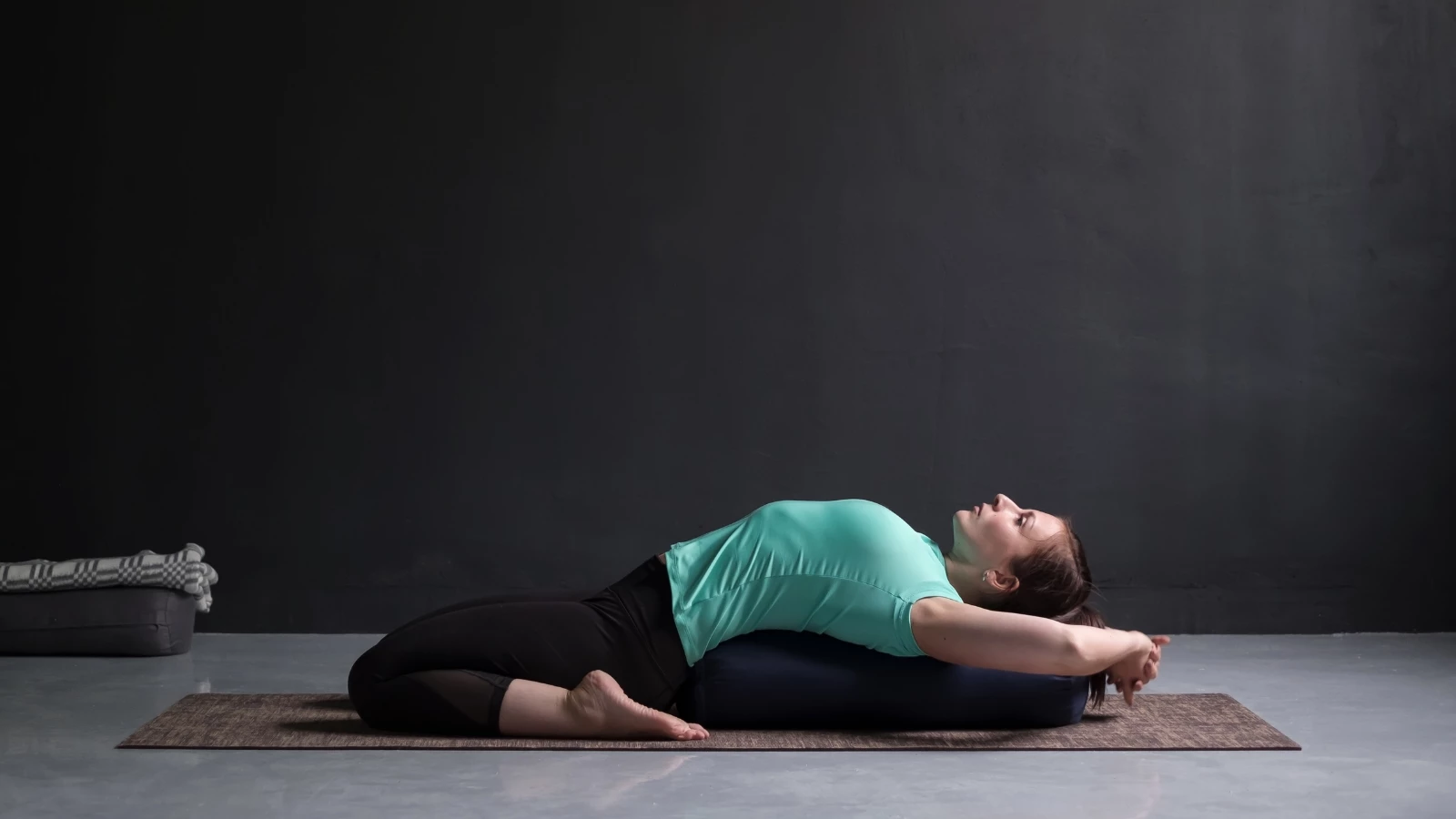
Once you’ve established a regular time and place for your daily yoga practice, you can start to vary it to fit your mood, energy level, and physical needs. Whether you prefer practicing in the morning or at night, asking the following three questions daily will guide you in choosing the best practices for you.
Question 1. How Am I Today?
Start by checking in with yourself. What is your energy level? How does your body feel? What is your state of mind? Knowing how you are feeling and what you need from your practice will guide you in choosing the most appropriate poses and breath practices.
For example, if you wake up tired because your back was aching all night, then you might choose to lie on the floor and do poses that bring some mobility to your spine. Similarly, if you find yourself depleted after work, lying down with your legs propped up in Legs Up the Wall (Vipariti Karani) can help you find that second wind to get through your evening.
*See this video for three (3) different versions of Legs Up the Wall.
Question 2. Where and When Am I Doing My Daily Yoga Practice?
Once you’ve tuned into yourself, next tune into the world around you, in particular, the seasons and the weather. To counteract the chill of cold winter days, choose invigorating poses, such as Warrior I (Virabhadrasana I) or Plank Pose (Phalakasana). Or do 5 to 8 rounds of Kapalabhati Breath (Skull-Shining Breath) to generate more body heat and warm you up. On the other hand, when the dog days of summer arrive, practices that cool the body, such as Standing Wide Leg Forward Fold (Prasarita Padottanasana) or Cooling Breath (Sitali Pranayama) can bring much-needed relief.
Time of day plays an important role as well. Early mornings before sunrise lend themselves to a quiet, introspective practice. Starting slowly, by focusing on joint rotations. This wakes up your body and mind. Once warmed up, you can engage larger muscles. One way to do this is to do two or three seated poses, followed by one or two kneeling poses, and gradually move toward active standing poses, such as Sun Salutations (Surya Namaskar).
*Try this energizing 15-minute seated core strengthening practice.
3. What Needs Balancing?
The answer to the first question, “How am I today?” provides insight into this third one. The purpose of yoga is to bring peace and harmony to our bodies and minds. Noticing what is out of balance, whether there is too much or too little quality present, is an important guiding question.
For instance, if you feel heavy and tired, you might favor poses that bring more lightness into the body. Reaching your arms and gazing up in Mountain Pose (Tadasana) can lift your spirits to provide a greater sense of equilibrium. Conversely, if your mind is distracted or racing, grounding your awareness through seated or reclining poses, such as Bound Angle Pose (Baddha Konasana) or Bridge Pose (Setu Bandha Sarvangasana), can bring stability to both body and mind.
*Watch this video to learn a calming, balancing breath technique.
The question of what to do once you are on your mat can be tricky. Using these three questions to guide your choices will assist you in tailoring your daily yoga practice to bring harmony to body, mind, and spirit. You won’t necessarily get it right every time, but with repetition, you’ll become more skilled at selecting the best practices for you.
Happy practicing!
Also, read...
Related courses
Yoga for Core Integrity and Fall Prevention
With Lynn Crimando
Yoga for Flexibility: Fascia, Flow, and Metabolic Efficiency
With Lynn Crimando
The Psoas Connection: Core Stability for Movement, Breath & Digestion
With Leslie Howard
Reprinted with permission from WisdomTreeYoga.com
Beverly Davis-Baird, MA, e-RYT200/RYT 500, C-IAYT is a New Jersey-based yoga therapist, writer, and educator. She specializes in making yoga accessible for adults 50+, offering classes and workshops for back care, arthritis, bone health, balance, posture, and healthy aging. An educator at heart with over 20 years of experience as a public school teacher, Beverly brings her knowledge of individual learning styles to her classes, providing instruction that is clear, concise, inclusive, and compassionate. Bringing over 30 years of experience and training, she considers herself a lifelong learner and believes that the practice of yoga should bring spaciousness and release from tension, not create it. As such, she strives to make yoga accessible to people of differing abilities, believing the real benefits of yoga come from what is taken with you outside of class and into your life. To read her blog or learn more about her teaching schedule and latest offerings, please visit www.wisdomtreeyoga.com.
Recent articles
The First Yama: Ahimsa – Nonviolence
Jun 22 – By: Christine Malossi
Categories
Upcoming courses
Yoga for Core Integrity and Fall Prevention
With Lynn Crimando
Recent articles
Almost there...
Sorry, we couldn't find anything...
Beginning Yoga
The First Yama: Ahimsa – Nonviolence
In the Yoga Sutras, Patanjali delineated the eight limbs of yoga. These precepts are…
Jun 22 – By: Christine Malossi
Yoga for Osteoporosis
DEXA Fracture Risk: Does Your Scan Tell the Whole Story?
Osteoporosis Myth: Your DEXA Score Tells You Everything You Need to Know About Your…
Jun 19 –
Yoga Teaching
The Weight Distribution Secret Inside Downward Facing Dog Pose That Protects Your Wrists
Downward Facing Dog Pose (Adho Mukha Svanasana) shows up in nearly every yoga class.…
Jun 18 –