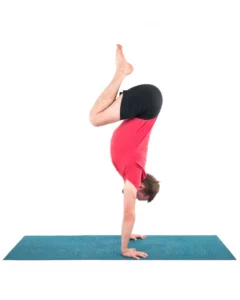
Dolphin Pose: The Forearm Position That Makes It Therapeutic Instead of Painful
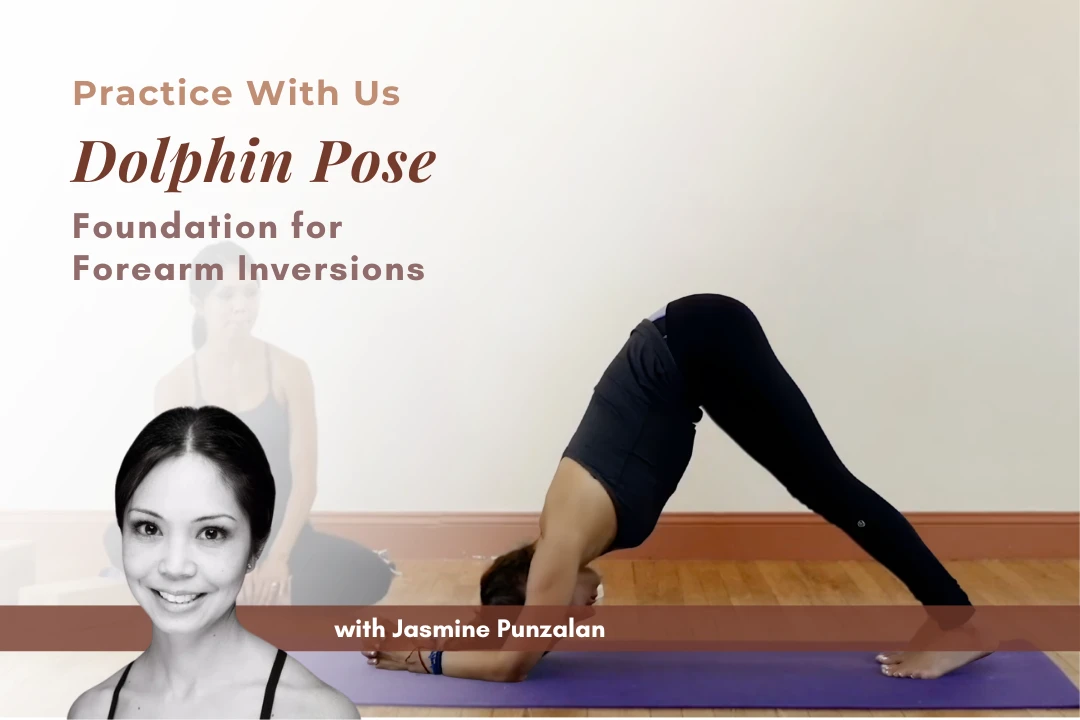
Dolphin Pose (Ardha Pincha Mayurasana) has a reputation for being humbling. Your arms shake, your shoulders burn, and the whole thing can feel more punishing than productive. But that experience usually points to one thing: the forearm position isn't quite right. When your elbows and forearms are placed correctly, dolphin pose stops being a battle and starts doing exactly what it's designed to do — build the shoulder stability that inversions like headstand and forearm balance actually require.
The Dolphin Pose Setup That Changes Everything
The most common error is letting the elbows drift wider than the shoulders. It feels more comfortable at first. In reality, it shifts the load away from the rotator cuff muscles that need to be working and onto joints that weren't designed to handle it.
Jasmine Punzalan teaches elbows directly under the shoulders as the baseline — or slightly wider only if your shoulders are genuinely tight and that placement causes strain. From there, the forearms press actively into the mat. Not passively resting. Pressing. That downward pressure triggers an upward lift through the shoulders, creating space rather than compression in the joint.
What Jasmine Covers: Forearms, Shoulders, and Spine
The tutorial works through the full setup of Ardha Pincha Mayurasana with the precision this pose deserves. You'll learn the optimal forearm placement, with close attention to keeping the elbows from splaying — interlacing the fingers or using a block between the hands helps maintain this. Jasmine also addresses the tendency to round the upper back, which collapses the very stability the pose is building. Length through the spine matters more than how far your hips lift.
For tight hamstrings, bending the knees is not just allowed — it's encouraged. Straight legs are irrelevant if they're pulling your lower back into flexion and shifting weight out of your shoulders. The goal is to load the upper body correctly, and bent knees let that happen.
Jasmine builds hold time gradually. Shoulder stability is endurance work. Short, well-formed holds are more productive than longer holds with form falling apart.
Why This Pose Is Worth Getting Right
Dolphin pose sits at the foundation of every forearm-based inversion. The shoulder engagement pattern you build here — pressing down to lift up, keeping the elbows stable, maintaining length — is exactly the pattern headstand and forearm balance require. Practitioners who rush past dolphin and go straight to the full inversion often find themselves struggling with shoulder fatigue and instability that has nothing to do with strength. It has to do with not yet having the pattern wired.
Watch Jasmine Punzalan guide you through the full tutorial below.
Subscribe to the YogaUOnline YouTube channel for more tutorials that teach the foundations behind the poses — so every step of your practice is built on something solid.